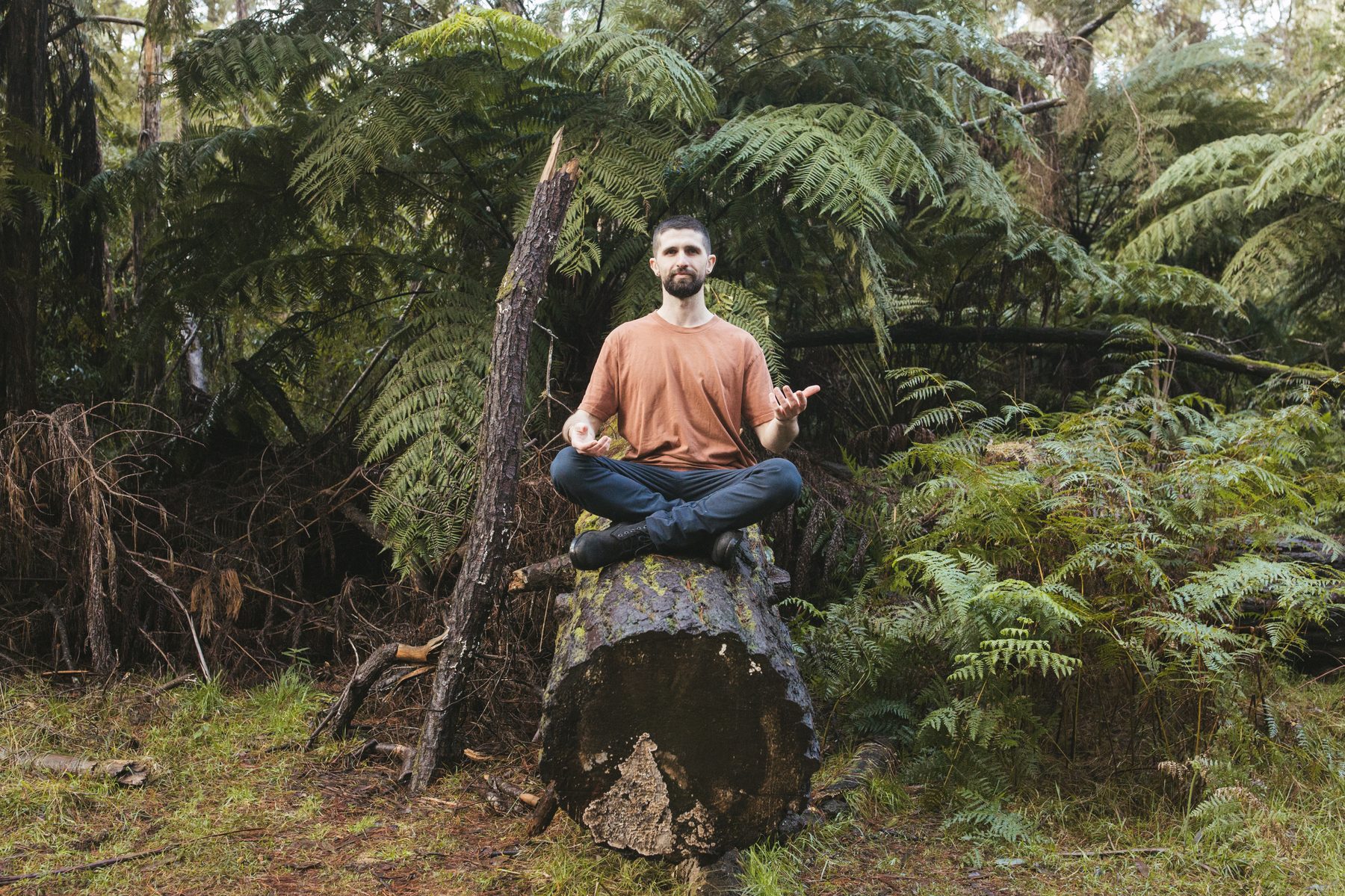
Four counts in, four counts held, four counts out, four counts empty. The technique is simple. What you bring to each phase changes everything.
Box breathing is one of the oldest and most widely used breath regulation practices in the world. The structure is simple: inhale for four counts, hold for four, exhale for four, hold empty for four. One complete cycle takes roughly sixteen seconds. A few minutes of this practice produces measurable effects on the nervous system.
It is used by military units, surgical teams, athletes, and meditators for good reason. But the technique itself is just the container. What you choose to bring into that container is where the real practice begins.
Activates the parasympathetic nervous system, shifting the body from a stress response into genuine rest
Reduces cortisol levels and the physiological markers of chronic stress
Improves heart rate variability, a key indicator of nervous system resilience and overall health
Stimulates the vagus nerve, the primary pathway of the parasympathetic system
Sharpens focus and mental clarity by increasing blood oxygen levels and reducing mental noise
Interrupts anxiety and panic responses by giving the nervous system a structured rhythm to follow
Anchors attention in the body and the present moment, reducing rumination and reactive thinking
Accessible anywhere, any time, with no equipment and no prior training required
The four-count structure is not arbitrary. The equal ratio across all four phases creates a balance between activation and release, fullness and emptiness, that few other breath practices achieve.
What follows is the way I have come to experience and teach box breathing. The technique alone is valuable. But bringing intentional awareness to what each phase of the breath actually feels like, and choosing to meet it with something, transforms a regulatory exercise into a practice of genuine connection.
Inhale · 4 counts
Breathe in slowly and steadily through the nose for four counts. Allow the belly to expand first, then the chest. The breath is full but not forced.
As you draw air in, imagine you are also sending love outward. Expanding from your centre in every direction. You are simultaneously receiving and radiating. The inhale is an exchange already beginning.
Hold · 4 counts
Hold the breath at the top of the inhale for four counts. Retain gently, without gripping or straining. The body is full and still.
Instead of experiencing this as holding your breath, let yourself feel the sensation of being full. Full of air, yes. But also full of love. Full of source. Sit inside that fullness and let it be enough. This is what saturation feels like when it is chosen rather than accumulated.
Exhale · 4 counts
Release the breath slowly and evenly through the nose or mouth for four counts. Allow the chest to soften first, then the belly. The release is complete and unhurried.
This is the reversal. As air leaves, imagine love entering. You are exhaling what has been processed and allowing new energy to come in as it does. The exhale becomes an act of receptivity rather than release. An exchange. What you let go of creates the space for what arrives.
Hold · 4 counts
Hold at the bottom of the exhale for four counts. The lungs are empty, the belly is soft. There is no rush to fill again. Simply be here.
This is the most spacious phase. The freedom of being without. The openness of having set everything down. Empty here means free. Sit within yourself here. There is nothing to do. Only to be.
You can practise just a few cycles at a time. Three to five rounds will shift something measurable in your nervous system. Ten or more will take you somewhere significantly different. There is no ceiling. The practice deepens the more familiar you become with what each phase is actually offering.
What I find most useful about this framing is that it gives the breath somewhere to go beyond the mechanical. The body is already breathing. The question is what quality of awareness travels with it. When you meet each phase as an intentional experience rather than a waiting period, the sixteen seconds of a single cycle becomes surprisingly alive.
The breath is always available. It requires no setup, no equipment, no particular circumstance. In the middle of a difficult conversation, before sleep, at the beginning of a session, in the queue at the supermarket.
Four counts of loving receptivity. Repeated until you feel the difference.
Jacob Cooke-Tilley · Philosophies and Concepts